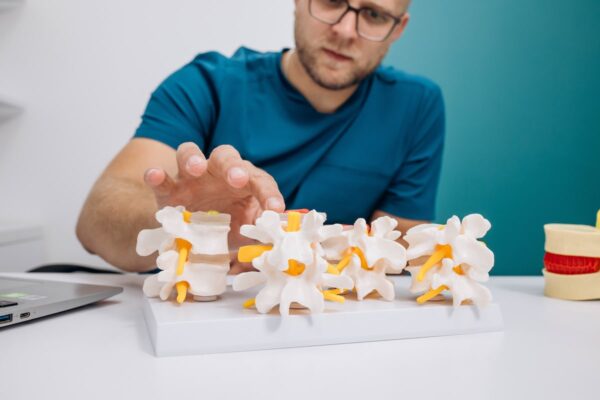


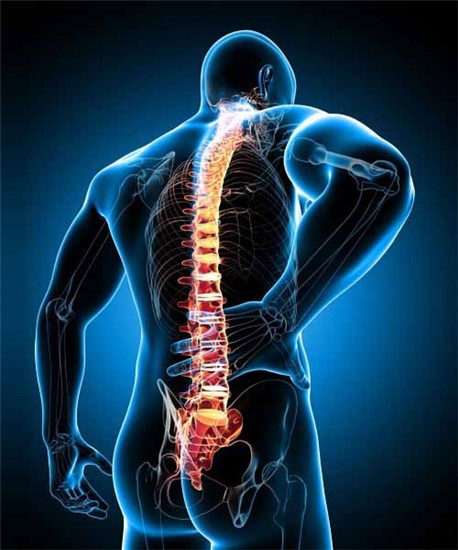
Radiculopathy, or “radiculitis,” arises from issues with the musculoskeletal system when the roots of the spinal nerves are compressed or damaged due to injuries, inflammations, or constriction. This is often observed in people who have high physical demands on their spine.
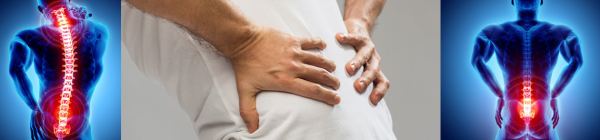
Pain occurs due to pressure on the nerve roots in the spine. Radiculopathy can be of two types: discogenic (due to hernias or protrusions) and vertebrogenic (when the roots are compressed by the growth of bone tissue or due to displacement of the vertebrae). A sedentary lifestyle, insufficient fluid intake, smoking, and alcohol consumption can contribute to this condition, but there are also other causes, including congenital anomalies, disk inflammation, tumors, and spinal injuries.
Symptoms of radiculopathy include:
- Pain that may spontaneously appear after a sudden movement, lifting a heavy object, or falling, or may gradually increase and have a constant, shooting character.
Additionally, specific symptoms may be observed depending on where the problem occurs:
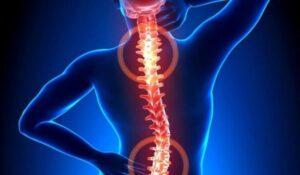
- In the cervical region: pain and tension in the neck, which may radiate to the shoulder, scapula, or clavicle.
- In the thoracic region: a sensation of compression behind the chest (in the area of the heart). However, it is IMPORTANT! If you feel pain in the chest area, to determine whether it is indeed an angina attack (chest pain), it is necessary to consult a cardiologist to exclude cardiac pathology.
- In the lumbar or sacral region: pain in the lower back, which may radiate to the leg, accompanied by possible increased sensitivity or numbness in the leg.
Inactivity can lead to the progression of symptoms, spinal deformities, changes in posture, and compression of internal organs, which can worsen their functioning.
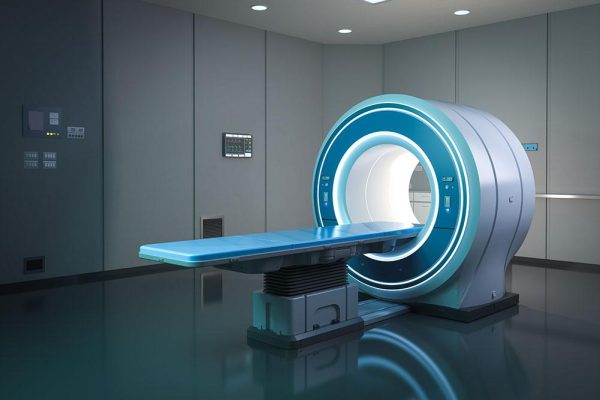
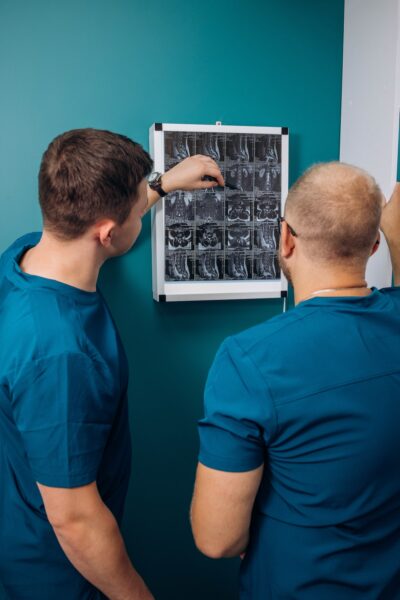
The diagnosis of radiculopathy is often based on characteristic symptoms: severe pain that occurs when nerves are compressed by osteophytes (bony outgrowths) or disc pathology. However, considering that symptoms may manifest at different stages, additional tests such as MRI or CT scans may be needed for a comprehensive diagnosis.
Prevention:
For the health of intervertebral discs, it is necessary to drink at least 2-2.5 liters of water daily, as they consist of cartilaginous tissue, which requires an adequate amount of water for nourishment. It is important to ensure regular movement, as prolonged sitting or standing (more than 2-3 hours) can strain the muscles, causing swelling and hindering proper nutrition of the intervertebral disc, which can lead to compression of nerve endings. Therefore, regular light physical activity is necessary. It is also important to maintain physical fitness, as excess weight creates additional stress on the intervertebral discs, which can worsen their condition. It is advisable to avoid harmful habits such as smoking and alcohol consumption.
Treatment of radiculopathy typically involves a comprehensive approach that includes various techniques to reduce pain, improve mobility, and restore overall musculoskeletal function. Here are some of the most common methods of treatment and rehabilitation for radiculopathy:
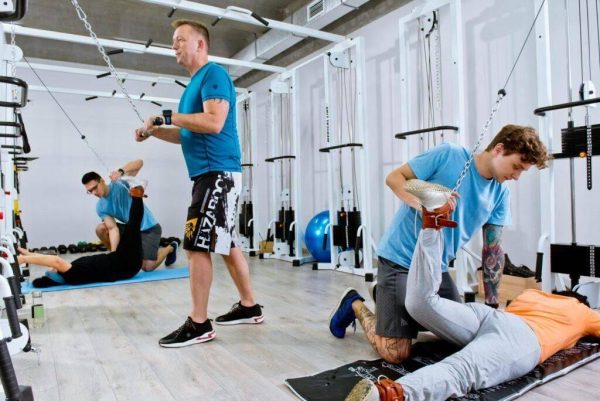
1. Spinal traction exercises, which are performed under the supervision of specialists to reduce compression on the nerve roots.
2. Therapeutic exercises (physical therapy), which encompass a set of specialized exercises aimed at strengthening the muscular corset, improving flexibility, and enhancing spinal mobility.
3. Massage therapy, which promotes muscle relaxation, enhances blood circulation, and reduces pain.