

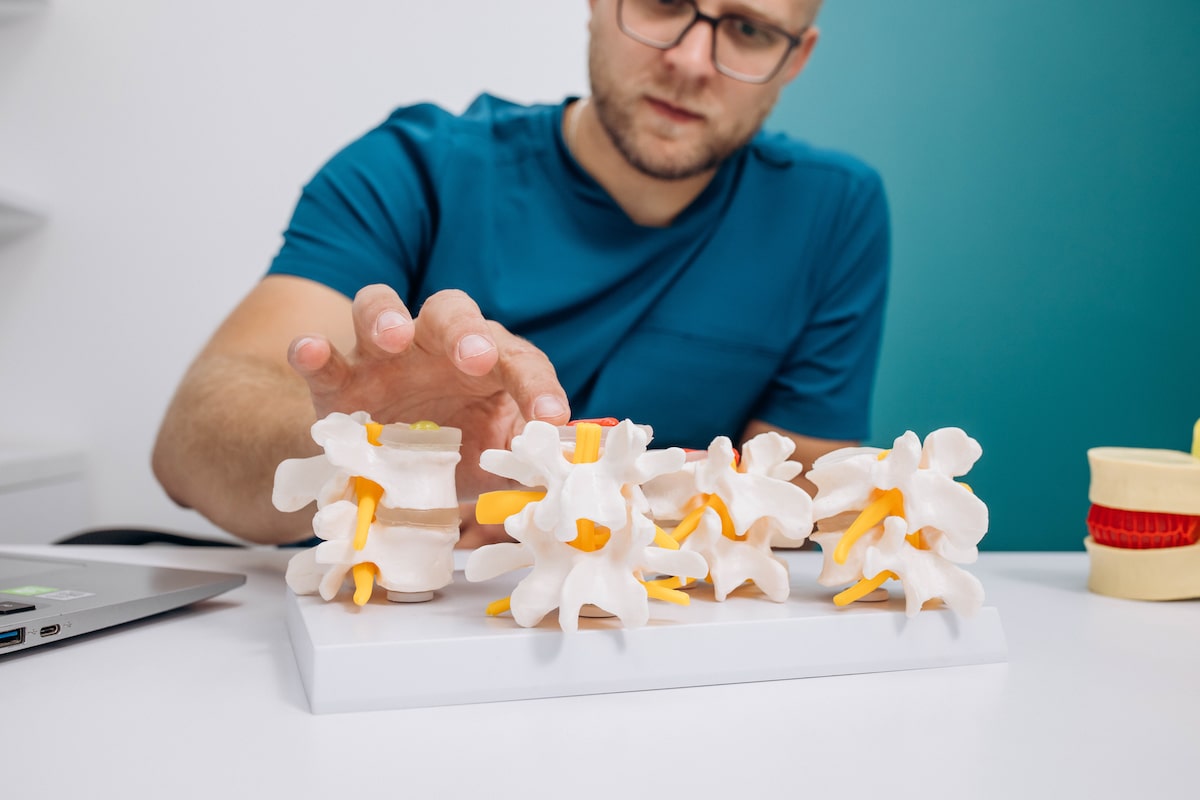
Protrusion is the bulging of the intervertebral disc wall without disruption of the integrity of the disc’s fibrous ring itself. In some cases, protrusion can be an initial stage of disc herniation, and it may remain asymptomatic until it compresses a nerve root. The symptoms of protrusion are similar to those of disc herniation but are less pronounced and depend on the section of the spine where the protrusion occurs.
 The causes of disc protrusion include:
- Spinal conditions – surgeries, injuries, various spinal deformities.
- Metabolic disorders and obesity, especially for patients with hypothyroidism and diabetes mellitus.
- Sedentary lifestyle, which can lead to muscle weakness.
- Heavy physical exertion, such as in construction workers, loaders, or athletes.
 Treatment of protrusion includes methods such as:
- Therapeutic exercises individually tailored to each patient to strengthen muscles and improve overall body condition.
- Therapeutic blockade involving the administration of anti-inflammatory drugs into the pathological area to alleviate pain. The procedure may have a temporary effect and is used in combination with other conservative treatment methods.
- Therapeutic massage and yoga, which can improve blood circulation, reduce pain, and normalize muscle function.